Why 1st Edition Base Set Charizard Is Still the Hobby's Greatest Icon
Walk into any card shop, browse any collecting forum, or scan cards with AI on any modern card collection app, and you'll quickly discover one universal truth: the 1st Edition Base Set Charizard occupies a throne that no other trading card has managed to challenge. Nearly three decades after its debut, this fire-breathing dragon remains the hobby's ultimate grail card—a status that seems only to strengthen with time.
While other cards have achieved impressive valuations and cultural moments, none combine the perfect storm of nostalgia, scarcity, and cultural significance quite like the original Charizard. But what exactly makes this particular piece of cardboard so special, and why does it continue to captivate collectors across generations?
The Cultural Lightning in a Bottle
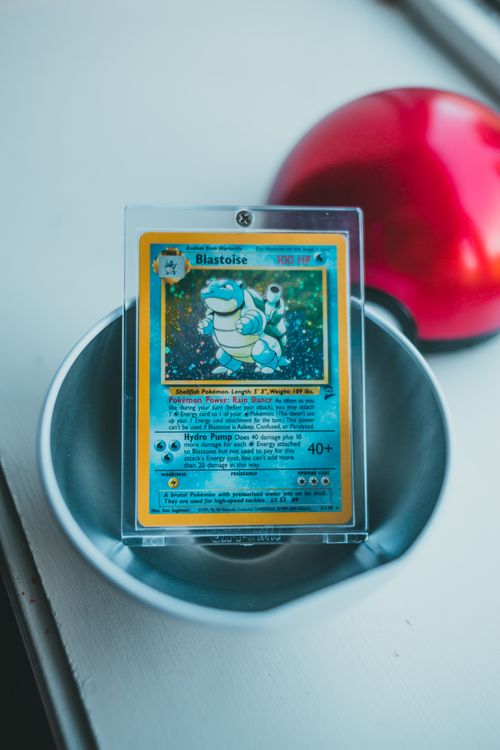
To understand Charizard's enduring appeal, you have to travel back to 1998-1999, when Pokémania was sweeping the globe. The 1st Edition Base Set wasn't just the beginning of the Pokémon Trading Card Game in English—it was the genesis of a cultural phenomenon that would define childhood for millions of kids worldwide.
Charizard wasn't even the rarest card in that original set (that honor belongs to the Chansey), but it was undoubtedly the most wanted. The card perfectly captured everything kids loved about Pokémon: power, coolness, and that unmistakable dragon design that screamed "ultimate creature." When you pulled a Charizard from a booster pack, you weren't just getting a strong card—you were getting playground currency and instant credibility.
This cultural imprinting runs deeper than simple nostalgia. The card represents a specific moment when trading cards transcended being just a game and became a genuine cultural force. Modern cards, despite their technical improvements and gorgeous artwork, simply can't replicate that lightning-in-a-bottle moment when Pokémon first captured the world's imagination.
The Numbers Don't Lie: PSA 10 Scarcity
When collectors track card value and population reports, the 1st Edition Base Set Charizard tells a compelling story of genuine scarcity. As of early 2025, PSA has graded fewer than 4,000 copies as PSA 10 Gem Mint condition—a remarkably small number considering the card's age and the millions of Base Set booster packs that were opened by excited children in the late '90s.
This scarcity wasn't manufactured or artificial. It's the natural result of a perfect storm: kids who treated their cards like toys rather than investments, the relatively fragile cardstock of early Wizards of the Coast printing, and centering issues that plagued many cards from those early print runs. Every PSA grading advice guide will tell you that vintage Pokémon cards face significant challenges achieving perfect grades, and Charizard is no exception.
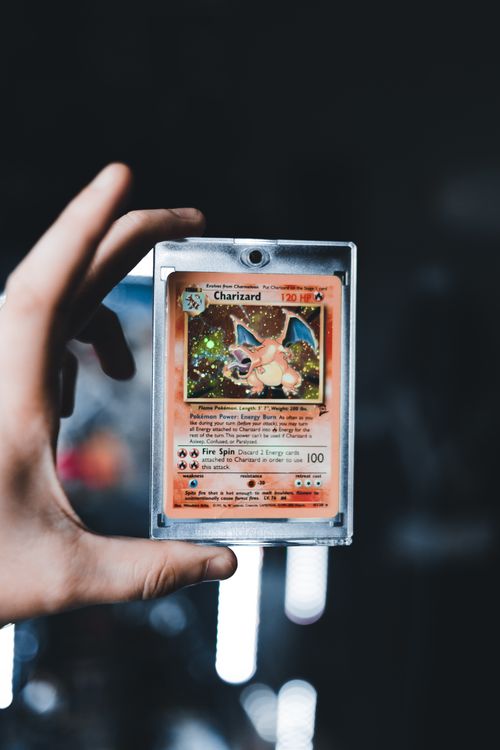
Compare this to modern chase cards, where collectors immediately sleeve, protect, and grade their pulls. The 1st Edition Base Set Charizard achieved its scarcity the hard way—through decades of natural attrition and the reality that most copies lived in kids' pockets, binders, and playground trades rather than protective cases.
Historical Sales That Rewrote the Rules
The sales history of grail cards like the 1st Edition Base Set Charizard reads like a masterclass in market evolution. In 2020, Logan Paul's $350,000 purchase grabbed headlines and introduced the card to mainstream media. But that was just the beginning of a remarkable run that saw PSA 10 examples regularly trading hands for six figures.
Recent eBay card pricing data shows that even after the pandemic boom settled, high-grade examples continue to command impressive premiums. A PSA 10 routinely sells for $300,000-400,000, with exceptional examples pushing even higher. These aren't just numbers—they represent a fundamental shift in how the broader market views trading cards as legitimate collectibles and alternative investments.
What makes these sales particularly significant is their consistency. Unlike some modern cards that spike and crash based on temporary hype, the 1st Edition Base Set Charizard has demonstrated remarkable price stability at the high end. This consistency has helped establish a benchmark that other vintage Pokemon cards are measured against.
The Nostalgia Premium: More Than Just Sentiment
Critics sometimes dismiss Charizard's value as "just nostalgia," but this misunderstands what drives long-term collectible markets. The most enduring collectibles almost always have strong emotional connections that transcend their original purpose. Think Mickey Mouse memorabilia, vintage baseball cards, or classic comic books—the items that maintain value across generations are those that touched people's lives during formative moments.
The 1st Edition Base Set Charizard benefits from what economists call "cohort effects." The kids who desperately wanted this card in 1998 are now adults with disposable income and the means to finally obtain their childhood grail. But more importantly, they're also parents sharing Pokémon with their own children, creating new generations of fans who understand the card's significance.
This isn't just sentiment—it's a sustainable demand driver that shows no signs of weakening. Unlike cards that depend solely on gameplay relevance or temporary market trends, Charizard's appeal is rooted in genuine cultural significance that transcends the card game itself.
Investment vs. Collecting: Finding the Balance
The astronomical prices of high-grade 1st Edition Base Set Charizards have inevitably attracted investment-minded buyers, sometimes creating tension within the collecting community. Some longtime collectors worry that treating cards purely as financial instruments strips away the joy and community that makes the hobby special.
But here's what's fascinating about the Charizard market: it successfully supports both investment buyers and passionate collectors. The card's broad appeal means there's room for financial speculators chasing returns and collectors pursuing childhood dreams. Lower-grade examples remain accessible to collectors who simply want to own a piece of history, while investment buyers compete for the finest examples.
This dynamic has actually strengthened the entire vintage Pokemon market. The attention brought by high-profile sales has increased awareness and appreciation for cards that might otherwise be overlooked, benefiting collectors at every level.
The Enduring Crown
Nearly 30 years later, the 1st Edition Base Set Charizard remains unmatched in its combination of cultural significance, genuine scarcity, and emotional resonance. While other cards may achieve impressive sales or temporary fame, none have managed to sustain the broad appeal that makes Charizard a true icon.
Modern cards face the challenge of competing in a market where collectors immediately recognize and protect valuable cards. Vintage cards like the 1st Edition Base Set Charizard achieved their scarcity naturally, through decades of being treated as what they originally were: toys that brought joy to millions of children.
That combination of genuine cultural impact and natural scarcity is nearly impossible to replicate in today's market, ensuring that the 1st Edition Base Set Charizard will likely maintain its status as the hobby's greatest icon for generations to come.
Whether you're tracking your collection's growth or simply enjoying the hunt for your personal grails, tools like The Vault app can help you stay connected to market trends and connect with fellow collectors who share your passion for these incredible pieces of pop culture history. After all, the best part of owning iconic cards isn't just their value—it's being part of a community that truly understands why they matter.